
Archive selection of rugs.
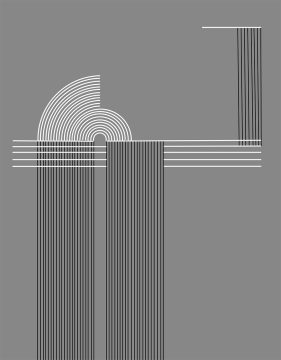
80s
I have always been interested in the architecture of the 20s & 30s. In particular the style known as Streamline Moderne which was distinctive in architecture and appliance design. There is something soothing about the purity of the straight lines and the restricted colour palette. At the end of the 80s my designs retained a minimal colour palette but the lines became less defined and more fluid.
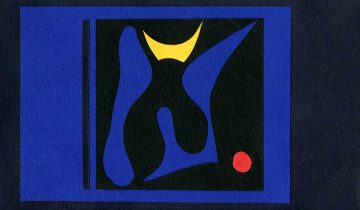
Homage to Matisse
Area rugs inspired by Matisse cut-outs. A project for large scale compositions with fluid yet hard-edged decorative shapes in bold vibrant colour. A collection of designs were produced for Apple Computer, Inc. from which three were commissioned for their UK headquarters.
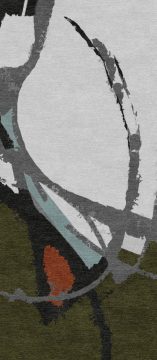
90s
Designs during the 90s became a fusion of styles. The freedom and unpredictability of collage merged with painting. Paper shapes with organically ripped edges, less detailing and mark-making created elements of chance. Colour was introduced and I moved away from controlled geometric linear work to broader fluid strokes.
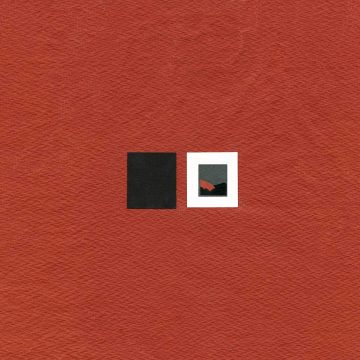
Kobe - Japan
KOBE was a challenging project for a corporate client. A simple brief – minimal, timeless design, with a restricted tri-colour palette. Overall the collection was monochromatic with a touch of colour used as an accent. No patterns or motifs were added. Minor elements were used to create maximum effect.
00s
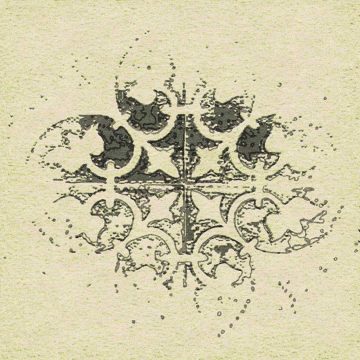
Modifying vintage motifs to create contemporary rugs. Re-inventing the classical. Residences in southern Europe often have beautifully aged, decorative floor tiles. These amazing time-honoured designs became a source of inspiration for a new line of rugs. By adding touches of free-style painting to suggest the patina of age, antiquity becomes modern. The mix of wool and silk offers an elegance gently tempered by nostalgia.
Damas
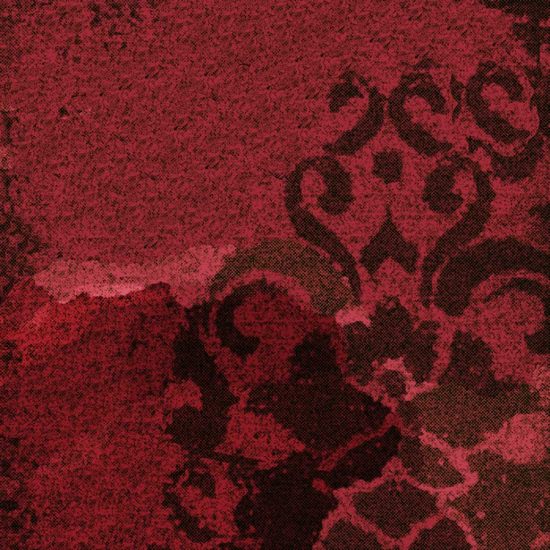
Damask rug collection. A bespoke commission inspired by elegant, historical textiles. During the Renaissance these fabrics were known for their dense, elaborately scrolled designs. In particular, canthus leaves, feathers and botanicals. Damask, in fact, refers to the specific weaving technique used, but over time the name has become synonymous with the recognisable motifs so that for many of us the name intrinsically refers to both.
Loop
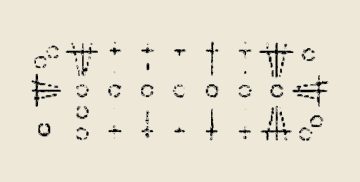
LOOP was a bespoke project for a boutique hotel, with the emphasis on minimal style. Designs were restricted to 2 colours with a muted palette. Less volume of paint and a fine brush allowed for a delicate geometric pattern of broken lines. Manufactured with the Moroccan hand-knotting technique.
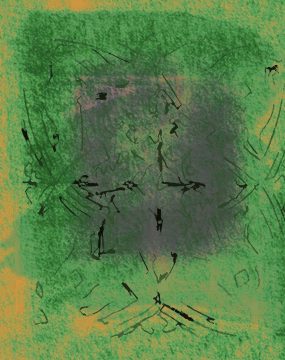
Rugs 2020s
Continually evolving compositions take on a more painterly style. The rich interplay of colour is blended rather than contrasted. Stippling takes the place of solid blocks of colour to capture the quality of brush strokes. The hand-knotting techniques to create these finished pieces are perfect when an extensive colour palette is used. The patient skill of working with one knot at a time means that a multitude of different hues and tones can be introduced.